Category: Artificial Grass Cost

  • Consistent Aesthetics Without Watering:

    No Harmful Chemicals:
    Traditional lawns often require fertilizers, pesticides, and herbicides to keep them looking pristine. These chemicals can leach into the soil and water, posing a threat to the environment and wildlife. With artificial grass, there’s no need for these harmful substances, creating a safer and more eco-friendly outdoor space.

    Consistent Aesthetics Without Watering:
    Maintaining a natural lawn’s vibrant appearance usually involves frequent watering, particularly during dry spells. Artificial grass maintains its lush green look all year round without the need for constant watering. This not only saves water but also ensures a consistently beautiful landscape regardless of weather conditions.

    Long-Term Sustainability:
    Artificial grass is designed to withstand the test of time, maintaining its quality and appearance for many years. This longevity reduces the need for constant replacements and renovations, which can be resource-intensive and contribute to environmental waste. Choosing artificial grass promotes a sustainable approach to landscaping that aligns with long-term water conservation goals.
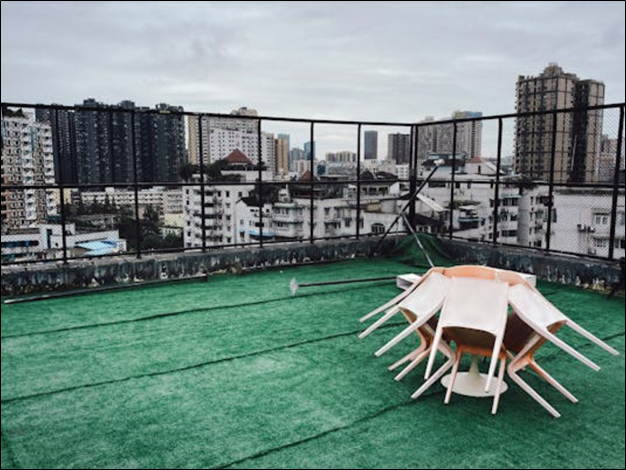
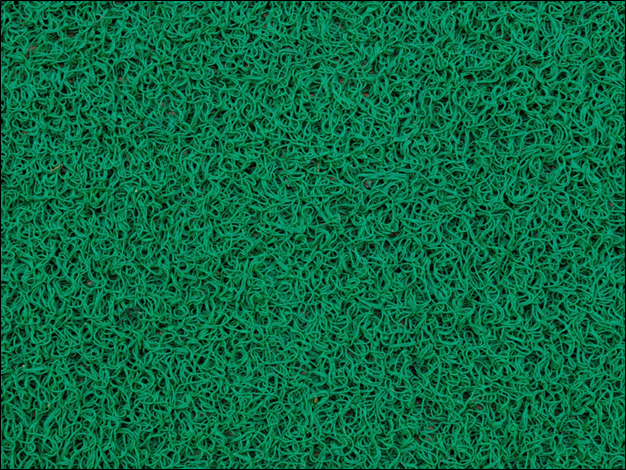
  • How Does Artificial Grass Contribute To Water Conservation?

    In a world where environmental consciousness is becoming increasingly important, many individuals and businesses are seeking sustainable solutions to reduce their ecological footprint. One such innovation that aligns with this ethos is artificial grass. At Carson Artificial Grass, we believe in not only providing a lush and green landscape but also contributing to water conservation efforts. In this blog post, we’ll explore how artificial grass plays a pivotal role in preserving our most precious resource—water.

    Minimal Water Usage:
    Traditional lawns demand a significant amount of water to stay vibrant and healthy, especially in arid regions. Artificial grass, on the other hand, requires minimal watering. Once installed, it stays lush and green without the need for constant irrigation. This not only conserves water but also helps homeowners and businesses save on their water bills, making it an eco-friendly and cost-effective choice.

    Elimination of Irrigation Systems:
    Maintaining a natural lawn often involves complex irrigation systems, sprinklers, and timers. These systems can contribute to water wastage due to overwatering, leakage, or inefficient distribution. Artificial grass removes the need for such elaborate setups, ensuring a water-efficient landscape that requires little to no ongoing irrigation.

  • How To Secure Artificial Grass To Soil?

    Hello Carson homeowners! If you’ve made the smart choice of beautifying your outdoor space with artificial grass, you’re on the right track to a low-maintenance, green paradise. Now, let’s talk about securing that lush synthetic lawn to the soil. Follow these quick tips to ensure your artificial grass stays in place for the long run.

     Use Quality Edging: Invest in sturdy and durable edging materials to create a clean border around your artificial grass. This not only adds a polished look but also helps anchor the turf securely in place.

    • Install Galvanized Nails: Secure the edges of your artificial grass with galvanized nails. Space them out evenly along the perimeter, ensuring they penetrate the soil beneath. This will anchor the grass and prevent it from shifting.
    • Apply Adhesive Landscape Fabric: Lay down a high-quality adhesive landscape fabric beneath the artificial grass. This not only acts as a weed barrier but also helps keep the turf in place. Make sure to apply the adhesive properly for a strong bond.
    • Compact the Soil: Before laying the artificial grass, compact the soil underneath. This creates a stable base, reducing the chances of uneven surfaces and movement over time.
    • Consider Infill Material: Depending on the type of artificial grass you choose, consider using infill material. This not only adds a realistic feel but also helps anchor the turf. Follow the manufacturer’s recommendations for proper installation.
  • A Greener Alternative for South African Landscapes

    In South Africa, renowned for its rich, diverse natural scenery, a novel green trend is emerging: outdoor artificial grass. Merging beauty with eco-consciousness, this alternative offers a lush, year-round greenness that natural grass can’t always provide. South Africans face unique challenges in lawn maintenance, such as limited water supply and extreme weather. Artificial grass emerges as a handy solution, delivering a perennially vibrant landscape without the need for extensive water use or ongoing upkeep.

    Eco-Friendly Aspects of Artificial Grass

    Choosing artificial grass has a positive impact on the environment. A significant benefit is the dramatic reduction in water consumption, which is particularly important in a region as water-conscious as South Africa. Unlike natural grass, which needs regular watering, artificial grass stays green without extra water, helping conserve this vital resource. It also reduces the need for harmful chemicals like fertilizers and pesticides, thereby supporting a healthier, more eco-friendly environment and aligning with global environmental protection initiatives.

  • Why Is It Better to Use Professional Artificial Grass Installers?

    Thinking about transforming your outdoor space with artificial grass? Choosing experts to do the work can make all the difference. This is why:

    Expertise and Accuracy

    Fake Grass

    Putting down fake grass takes skill and accuracy. They know how to properly prepare the ground so that the grass has a flat, stable base with the correct levels. They also know how to lay the grass so that there are no gaps, wrinkles, or irregular spots. With their skill, you can be sure of a perfect finish that feels and looks like real grass.

  • Price Check: Navigating Artificial Grass Prices in South Africa

    Envision green grass that never becomes old or yellow from a lack of annual watering, mowing, or fertilizing. This is the hope held by the rapidly growing artificial grass industry in South Africa. The demand for artificial grass is increasing as more and more households and businesses look for sustainable and low-maintenance landscaping options. But it could be a pain to sort through all the different alternatives and prices. Learn more about the greatest offers on artificial grass in South Africa and how much it costs in this blog post.

    The Price of Artificial Grass: A Master Class

    The Price of Artificial Grass: A Master Class

    Factors such as grass quality, installation method, and area to be covered determine the price of artificial grass, which can vary greatly. The price of artificial grass is usually expressed as a square meter, with premium grass usually commanding a higher price tag. The choice between a professional installation and a do-it-yourselfer can also affect the final price tag. Further variables that could impact the final price tag include the infill material’s type and the presence or absence of extra features like drainage systems or UV protection.

  • Artificial Turf Myths

    There are a lot of concerns people have when they start considering a move to artificial turf. There are common myths about artificial turf that people take as fact.

    Will fake grass be safe for pets and children? Does artificial turf require maintenance? Will my fake grass look, well, fake?

    We’ve debunked 7 big myths about artificial turf that will help you decide what product is right for your lawn.

  • LOOKING AFTER ARTIFICIAL GRASS: MINIMUM EFFORT AND STRESS

    Compared to the time and energy required to keep a real grass lawn looking neat and tidy, maintaining artificial grass is incredibly easy. This is just one of the many advantages of swapping from real grass to fake grass.

    And if you look after it, your artificial grass could last from 15 to 25 years. For more information about the perks of artificial grass, get in touch to schedule your FREE site visit today.

  • ARTIFICIAL GRASS DO’S AND DON’TS

    1. If you spill something on your artificial grass, quickly soak up any spillage with a clean cloth, absorbing as much as possible. Then use soap and warm water with a clean cloth or sponge to remove whatever’s left before rinsing with the garden hose.
    2. Allow any pet waste to dry before removing it. This makes it easier.
    3. If any ice forms on your fake lawn during the winter months, let it melt naturally rather than trying to remove it which could damage the blades.
    4. Ash from cigarettes, fires, or BBQs could all melt your artificial grass so make sure to keep these things away from your lawn.
    5. Rotate your garden furniture now and then to allow the artificial grass to spring back into shape and prevent it from being permanently flattened.
    6. Consider trimming back hedges and overhanging trees to minimize the number of leaves that fall on your artificial grass.
    7. Keep motorized garden tools away from your fake grass as they can also damage it.
    8. The same goes for sharp or pointy objects, including stiletto heels or football boots with studs—as well as chewing gum which is a nightmare to remove from artificial grass.
    9. While wheelbarrows, bikes, and wheelchairs are fine to use on artificial grass, motor vehicles should be kept off your lawn.
    10. Mirrors, magnifying glasses, and other reflective surfaces can pose a danger to artificial lawns as they can cause burning.
    11. If painting in the garden, put a sheet down to prevent any spillage on your artificial lawn.
    12. It’s worth trying to train your dog or cat to do their business in a specific area of your garden away from your grass. This will minimise the amount of cleaning up you have to do.
    13. Don’t pressure wash your artificial lawn as this could remove the infill, causing your lawn to look saggy.
  • YOUR GUIDE TO ARTIFICIAL GRASS MAINTENANCE AND CARE

    You’ve made the jump from real grass to artificial grass and you’ve got no regrets. Thanks to your low-maintenance fake lawn that requires no mowing, strimming, or fertilizing (and never fades), you’ve got a vibrant green garden with no effort required and more time to actually enjoy it.

    But while artificial grass is much more low maintenance than real grass, that doesn’t mean it doesn’t need a bit of care and attention every now and again.

    Looking after your fake grass will ensure its longevity and allow it to maintain its fresh and healthy appearance for many years. A little light maintenance a few times a month will save you trouble and expense later down the line, keeping your fake lawn looking great for longer, as well as making it safer for kids and pets to play.

    • – So, what’s the best way to maintain artificial grass?
    • – How do you clean artificial grass?
    • – What else can you do to prolong the lifespan of your fake lawn?
    • – And what should you definitely not do when it comes to artificial grass?