Category: insanity workout

  • Performance During Rainy Conditions

    Superior Drainage Capabilities

    In Scottsdale, rain might be infrequent, but when it does occur, it’s important that your lawn can handle it. Our synthetic grass is designed with efficient drainage systems that quickly channel water away, preventing puddling and waterlogging. This drainage capability ensures that your yard remains usable immediately after rainfall, without the muddy conditions associated with natural grass.

    Mold and Mildew Resistance

    The construction of our synthetic grass prevents the growth of mold and mildew, which can be a common issue in natural lawns after rain. This resistance not only helps in maintaining the aesthetic appeal of your lawn but also contributes to a healthier outdoor environment, reducing allergens and irritants.
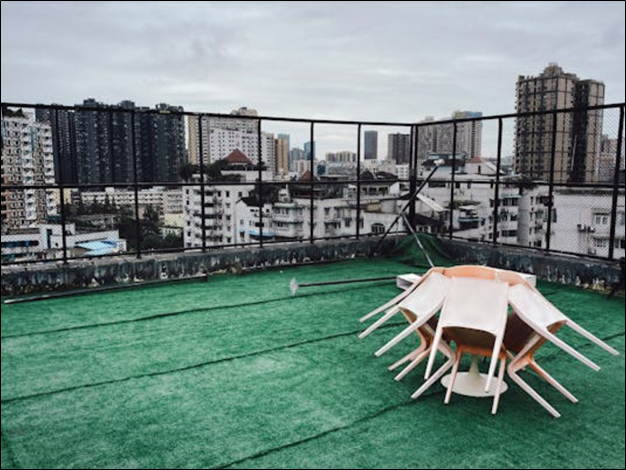
  • The Heat-Reducing Benefits of Synthetic Grass

    Unlike traditional hardscaping materials such as concrete or gravel, artificial grass offers a cooler, softer surface for outdoor areas. It absorbs less heat during the day, especially when combined with proper installation techniques and heat-resistant materials.

    Replacing Heat-Absorbing Hardscapes

    Many Arizona homes have outdoor areas dominated by materials like pavers, asphalt, and stone. These materials absorb heat throughout the day and radiate it back, raising the ambient temperature around your home. Synthetic grass, on the other hand, acts as a barrier that absorbs and reflects less heat, keeping your yard—and by extension, your home—cooler.

    Reducing the Urban Heat Island Effect

    Synthetic grass can play a role in reducing the heat island effect common in Arizona cities. By replacing large patches of asphalt or concrete with artificial grass, you can help lower the overall temperature in your outdoor space. This, in turn, decreases the workload on your air conditioning system, saving energy and reducing costs.

  • DIY Can Lower Your Deduction

    In a normal case, you can deduct both the cost of the labor and the cost of the materials for your new fence. However, you can’t deduct the cost of your own labor- which means if you choose to DIY your fence you could miss out on some of the tax savings. There are also several other reasons why a DIY fence is a bad idea, so consider all factors before endeavoring to install a new fence yourself. 

    A quality fence is a wise investment for many reasons- including the potential to save money on your taxes. Whether the benefits are seen immediately or further in the future, all of these considerations are good to keep in mind. Consult with a tax professional before you embark on a project as potential tax savings. You can read more about tax deductions for home projects on the IRS website. Looking for more tax savings with your home improvement projects? Discover how your new driveway can be tax deductible.

  • Primary Residence Rules for Tax Deductions

    If you get a new fence installed at a home that is used purely as your primary residence, you won’t be able to deduct the cost on your taxes for that same tax year. However, that doesn’t mean you won’t benefit from the investment.

    By installing a new fence, you increase the “tax basis” of your property. Your tax basis includes the amount you’ve invested in your property over time. This means, if you were to sell that property, you’d be able to deduct the cost of your home improvements in order to lower the amount that you’re subject to pay in taxes after the sale, as your total profit would be lower.

    Here’s an example: You bought your home for “$300,000” and then spent “$50,000” on various home improvements – including installing a new fence. You then sell your home for “$400,000.” Rather than paying taxes on the full “$400,000” sale price, you can deduct the tax basis (the original cost of your home + the cost of the home improvements you invested in.) “$400,000” minus a tax basis of “$350,000” leaves you with just “$50,000” profit subject to tax.

    For this reason, you can think of installing a new fence at your home as a long-term investment because it can help you save money down the line. 

  • How Your Fence Can Be Tax Deductible

    It’s tax season- and that means there’s one thing on everyone’s minds: potential deductions. Did you know that your new fence has the potential to save you money on your taxes?

    For tax purposes, ‘home improvement’ includes any work done that adds substantial value to your home, increases its usefulness or adapts it to new uses. Examples include room additions, new bathrooms, new roofs, plumbing upgrades and- yes- new fencing! All of these things have the potential to save you money on your taxes- either in the short-term or long-term.

    Here’s a few tips to keep in mind when it comes to possible deductions from your new fence.

  • Why Is It Better to Use Professional Artificial Grass Installers?

    Thinking about transforming your outdoor space with artificial grass? Choosing experts to do the work can make all the difference. This is why:

    Expertise and Accuracy

    Fake Grass

    Putting down fake grass takes skill and accuracy. They know how to properly prepare the ground so that the grass has a flat, stable base with the correct levels. They also know how to lay the grass so that there are no gaps, wrinkles, or irregular spots. With their skill, you can be sure of a perfect finish that feels and looks like real grass.

  • When Shopping Around, Keep These Things in Mind

    Think about the whole cost of installation and the grass quality when comparing charges for artificial grass. It’s tempting to go with the least expensive option, but cheap grass could not hold up as well or look as nice as the fancy stuff. Choose a warranty-backed, realistic-looking grass that is also resistant to ultraviolet light. Think about how much it will cost to install everything, including any necessary prep work like putting in new grass or leveling the ground.

    Discovering Unbeatable Offers

    You should look at and compare prices from several companies to get the greatest offers on synthetic grass. Find vendors that provide a variety of grass selections at reasonable pricing. Another way to save money is to buy in bulk or wait for sales. Some suppliers also offer discounts for bulk orders or returning clients. Lastly, when comparing pricing, remember to include the cost of installation. It can greatly affect the final cost.

  • Fake Grass looks awful!

    When people begin to consider synthetic grass, they only have one image in mind—those ugly astroturf mats from the 70s.

    Advancements in turf have come a long way since then. Now thousands of parks and homeowners across the country are installing synthetic grass because it looks beautiful year-round.

    Installing artificial grass is a great option in drought-prone areas where using gallons of water daily is not an option. Modern turf is designed to have a natural look and feel that could fool almost anyone.

    Being eco-friendly never looked so good!

  • Artificial Turf is not suitable for pets.

    Dog lovers are very welcome!

    The fact is, that artificial turf might be one of the best options for your pet.

    Sorry to say, one of the big killers of real grass is your dog.

    The digging.

    The scratching.

    The urination.

    We’ve all seen beautiful natural landscapes ruined by the constant toll of a few energetic pets. In a few short months, that pristine dog run can be transformed by potholes, mud, and dry, brown grass—the maintenance is endless!

    Pet’s (and their owners) love synthetic turf!

    It’s true. Turf has come a long way from the fake mats your grandma had. When installed correctly, they have great drainage, are easy to maintain, and are a breeze to clean.

    At IntegriTurf, we work with you to choose the type of turf, infill, and drainage system to fit perfectly with the look and usage you have in mind. Many pet-friendly options will make having an artificial lawn the best option for your pet’s needs.

  • ARTIFICIAL GRASS DO’S AND DON’TS

    1. If you spill something on your artificial grass, quickly soak up any spillage with a clean cloth, absorbing as much as possible. Then use soap and warm water with a clean cloth or sponge to remove whatever’s left before rinsing with the garden hose.
    2. Allow any pet waste to dry before removing it. This makes it easier.
    3. If any ice forms on your fake lawn during the winter months, let it melt naturally rather than trying to remove it which could damage the blades.
    4. Ash from cigarettes, fires, or BBQs could all melt your artificial grass so make sure to keep these things away from your lawn.
    5. Rotate your garden furniture now and then to allow the artificial grass to spring back into shape and prevent it from being permanently flattened.
    6. Consider trimming back hedges and overhanging trees to minimize the number of leaves that fall on your artificial grass.
    7. Keep motorized garden tools away from your fake grass as they can also damage it.
    8. The same goes for sharp or pointy objects, including stiletto heels or football boots with studs—as well as chewing gum which is a nightmare to remove from artificial grass.
    9. While wheelbarrows, bikes, and wheelchairs are fine to use on artificial grass, motor vehicles should be kept off your lawn.
    10. Mirrors, magnifying glasses, and other reflective surfaces can pose a danger to artificial lawns as they can cause burning.
    11. If painting in the garden, put a sheet down to prevent any spillage on your artificial lawn.
    12. It’s worth trying to train your dog or cat to do their business in a specific area of your garden away from your grass. This will minimise the amount of cleaning up you have to do.
    13. Don’t pressure wash your artificial lawn as this could remove the infill, causing your lawn to look saggy.